
Stop Shelf Turds
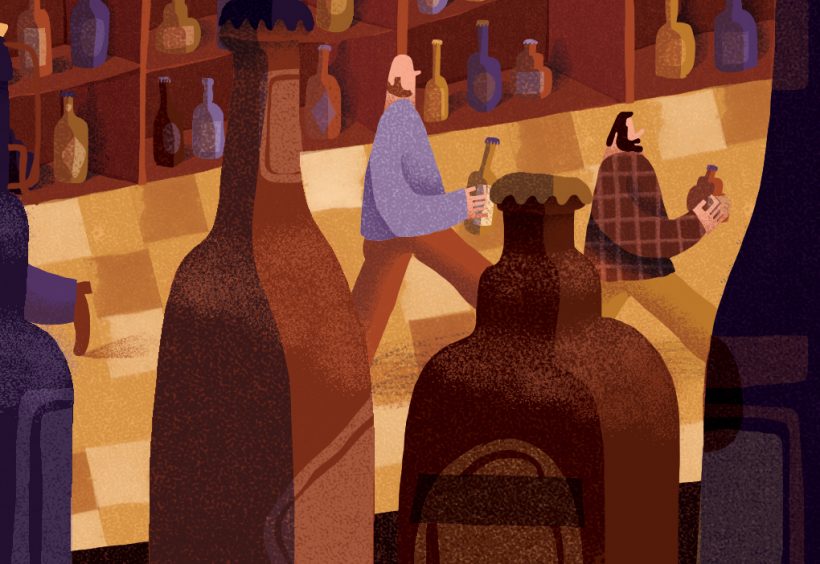 Illustration by Bethany Walrond
A shelf turd is basically a beer that’s easily obtainable, but for whatever reason, undesirable. So they end up collecting dust on shelves, slowly dying in the bottle. The term was originally coined by beer traders who give these beers barely any trade value. Even once highly sought after beers can quickly go from whale to shelf turd.
These so-called turds are the result of brewers saturating a market with specific brands or larger shops ordering too much of a single brand or style. After an initial sales peak, they then turd, with increased turding tending to occur when particular styles, seasonal beers or special releases are trending. Seasonals are especially prone to this outcome—it’s not uncommon to find last season’s beer du jour haunting the shelves for another season or two. Price, format and merchandising incentives may greatly impact this phenomenon, too.
Unfortunately, many consumers are unaware of this growing problem and will mistakenly free a shelf turd from its discount bin fate and probably have a bad experience when they crack it open at home. This isn’t good for anyone.
We need to stop shelf turds. Brewers and their distributors need to stop saturating markets, brewers need to date stamp their packaged beers, stores need to get control of their inventory and consumers need to look for dates and buy accordingly. Good beer deserves better.
Respect Beer. ■

