Saison: Beer’s Quintessential Seasonal
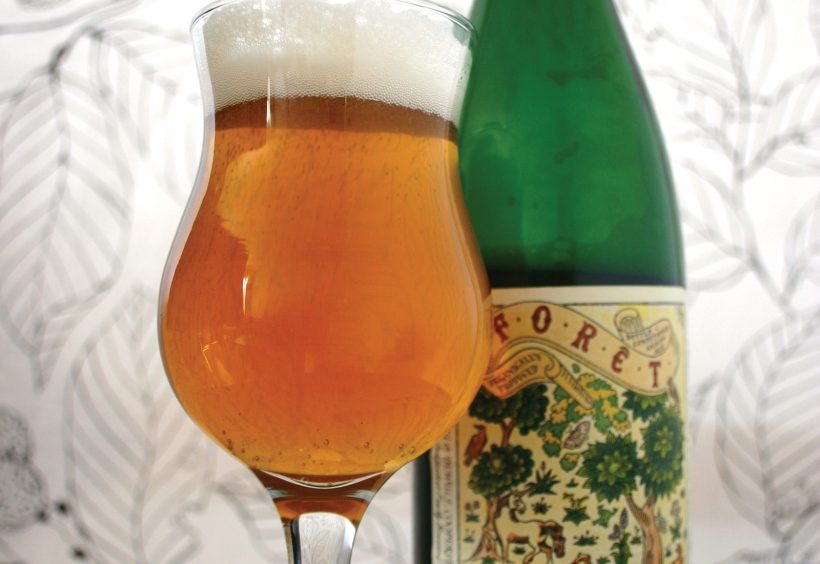
The centuries-old story of Saison—the classic Belgian farmhouse ale—is something out of a fairy tale. Made with sparkling spring water and the bounty of the harvest, it was typically brewed during the winter, then carefully cellared and aged to develop an uncommonly flavorful character to be enjoyed during the summer when it was too warm to make beer. Thus, smiling workers in dusty overalls could look to the end of another blissful day in the fields, when the farmer’s innocently seductive daughter might pour them a cool, refreshing cup of those wondrous suds.
Why, with the blessed ale to quench their thirst, would the field hands ask to be paid for their day’s toil at all?
With every sip of Saison, you can just taste the romance. Kind of makes you want to grab a hoe and volunteer at your local organic farm co-op. Until you remember your 19th century European history. Let’s see, the water was filthy with dysentery, the crops were withered from a beetle infestation, the farms had been pillaged by Napoleon’s armies, the labor was indentured and the farmer’s daughter had eight teeth. But, damn, that beer was delicious!
The best Saison is still made on the farm—albeit one that enjoys the modern conveniences of irrigation and gas-powered tractors. You know the beer as Saison Dupont, of Brasserie Dupont. The brewery’s small farm in Belgium’s French-speaking Wallonia has been in operation since the mid-1700s, with a mere 12 employees and enough animals to produce a steady supply of cheese and eggs.
A walk through its fields in the cold fog of late winter gives you a hint of this beer’s flavor. It’s dense and bracing, with a hint of herbs and fruit in the air, not to mention that familiar farm-like funk. Draw in a long quaff of Saison Dupont and you understand how a beer can be the product of its environment. Pour it into a wide-brimmed glass and pair it with cheese or fish or salad or chicken or… hell, it goes with almost anything.
Originally, farmhouses generally brewed their Saison just once a year, in the winter with the last of the summer crop of barley, then allowed it to age a full season (Saison is French for “season”). It would be made with a strong enough alcohol content to withstand the months of cellaring, but light enough to prevent the hired hands from drunkenly pawing the toothless daughter.
At Dupont, they boast that the complexity of flavor is not the product of additional spices—just good, old East Kent Goldings and a house yeast. The beer is still brewed in an antique open mash tun. It takes a laborious 11 hours to brew just one batch, but the remainder of the process is much less tedious. A one-week fermentation is followed by two more weeks of maturation and another six to eight weeks in the bottle before it’s shipped.
A shocking departure from tradition? Yes, but I’ve found that even high-tech breweries tucked into American office parks can produce a passable—even world-class—Saison.
At Clipper City in Baltimore, for example, the full-flavored Heavy Seas Red Sky at Night is made with a simple over-the-counter strain of Belgian farmhouse yeast, a big dose of wheat and a smidge of dry-hopping for aroma, not bitterness. “We want it sort of spicy, a little musty with a fullness of body,” says brewer John Eugeni. No fairy tales needed.
SAISON
Aroma: Citrus-like with some spice
Flavor: Fruity, slightly earthy with a peppery and pleasingly bitter kick
Original gravity: 1.048–1.080
IBU: 25–45
ABV: 5–8.5 percent
Examples: Saison Dupont, Fantome Saison, Saison de Pipaix, Saison Voisin, Southampton Saison, Victory Saison, Heavy Seas Red Sky at Night. ■