
How Fresh is Your Beer? (Revisited)
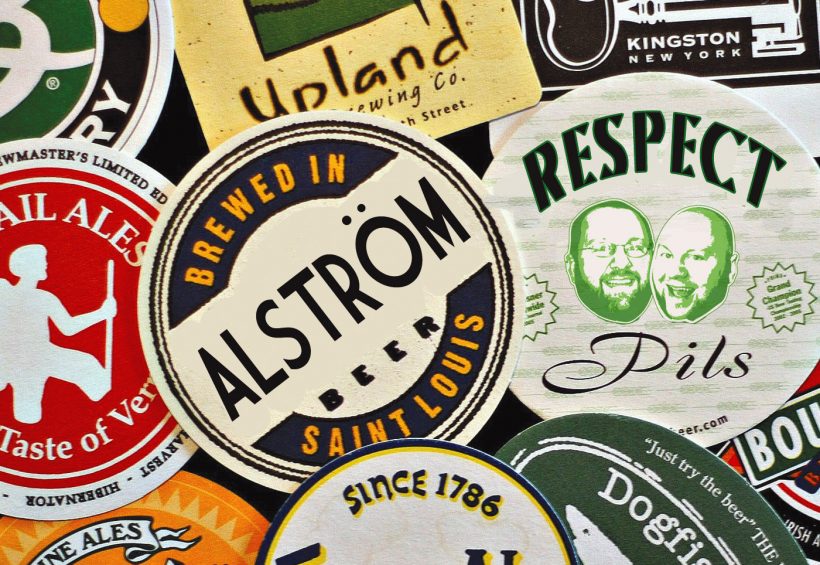 Original photo by Celeste Schulman
We first broached this topic back in the late ’90s and again in 2003, but given the current state of the economy and the fact that the issues previously discussed are even more relevant today, we thought it was time for a revisit.
First, beer is a fragile product. It should be treated like any other perishable food. In fact, it’s considered food by many throughout the world—like us. You do ingest it, right? Despite popular belief, beer does have a shelf life. In time, there will come a day when any beer will expire. And there’s nothing worse than tasting a bad brew. OK, there is: spending hard-earned cash on a bad brew.
Here are some tips when buying beer at a store (you can apply some of this to bars too):
Look for a Freshness Date
Some will have a “packaged on” or “born on” date, some will have a “best by” date, and some will be ridiculously cryptic and require an unobtainable decoder ring. And the displaying of these dates could be anywhere on the actual bottle or can, label or other packaging. Other brewers might notch the side of their labels, noting which month to consume the beer by, while others will employ the freshness date in different places on the bottle and/or packaging. There’s no standard, and it’s frustrating—yes, we need an industry standard! And if brewers don’t use a freshness date… consumers beware!
Of course, there are exceptions. Beers designed to be aged or beers worthy of aging often defy freshness dates. Beers like this are usually higher in alcohol or are bottle conditioned. Hops are a natural preservative, but we don’t recommend aging hop-centric beers—drink ’em fresh. Regardless, aging beer is a bit of a crapshoot.
When in doubt, either don’t buy the beer or ask an employee when the beer came in.
Buy From the Cooler
Beer sitting out at room temperature, even for a few weeks, may start to degrade and become stale. Generally speaking, beers should be consumed within three to six months—sometimes less. Additionally, cooler temperatures help to slow oxidation (when beer is exposed to air, it takes on wet paper/cardboard flavors).
And avoid buying beer that is kept in direct light (even in unprotected coolers), which allows damaging UV rays in. Both excessive direct sunlight and heat can give the brew that “skunky” flavor, which is a by-product of the delicate hop oils getting struck by light.
Look for Dust
It’s a sure sign the beer has been sitting, dead, for a long time. You’re in a beer graveyard. Put down the beer and walk away from its corpse calmly.
Discounted Beer
There is no such thing as “beer on sale.” It’s a package store, not a Walmart. There’s probably a good reason that case of craft beer is only $12.99. Some stores will discount out-of-code beer and it’s not uncommon for distributors to dump out-of-code beer into the market. Don’t take any chances by being a cheapskate.
Returning Bad Beer
You might have a tough time with this, as some stores have a no-return policy. Regardless, give it a try and always follow this up with a call or email to the brewery, distributor or importer. If they don’t know about a potential issue, they can’t fix it.
So think before you grab any old beer. Buy only fresh beer, consume before expiration and make some noise when you come across bad beers. Your enjoyment and hard-earned cash demand it.
And to all the stores (and bars) that manage their stock properly: we BeerAdvocates thank you.
Respect Beer. ■
 Previous: Beer Wars: The Aftermath
 Next: Beer News