While the real stock market might be a buzzkill, these two concept bars are not just serving up good prices in a down economy, they are letting customers forget their real investment woes and feel once again like they are riding high.
The southeastern corner of Pennsylvania has emerged as a hotbed of craft-brewed Pilsners. Specifically, the crisp and bitter northern German-style Pils.
While lagers and German Pilsners reign supreme in most areas of the country, Altbier accounts for almost half the beer consumed in Düsseldorf, and local Altbier breweries and quaint brewpubs churn out surprising volumes of the antique style.
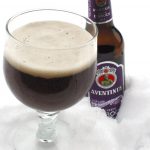
Do not confuse Eisbock with North American ice beer. The latter is an abomination, in which, after freezing, the lifeless lager is weakened with the addition of water. Eisbock, by contrast, is a marvel of science.
Munich Helles, at first glance, is almost identical to Pilsner. Clear and blond, they both sparkle with carbonation that rises to a creamy, white collar of foam. On a hot and muggy day, you just want to dive in and soak it up.
Brooklyn Brewery celebrates a big game win; German beer sales stumble; Costco offers “handcrafted” contract beers; Ruby Tuesday offers craft brews; and Diageo flirts with beer.
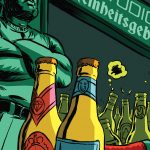
Born as a cross between a taxation law and a means for protecting bakers’ ingredients, the Reinheitsgebot has long been a dominating influence on the German beer scene.