
Valuable Beer
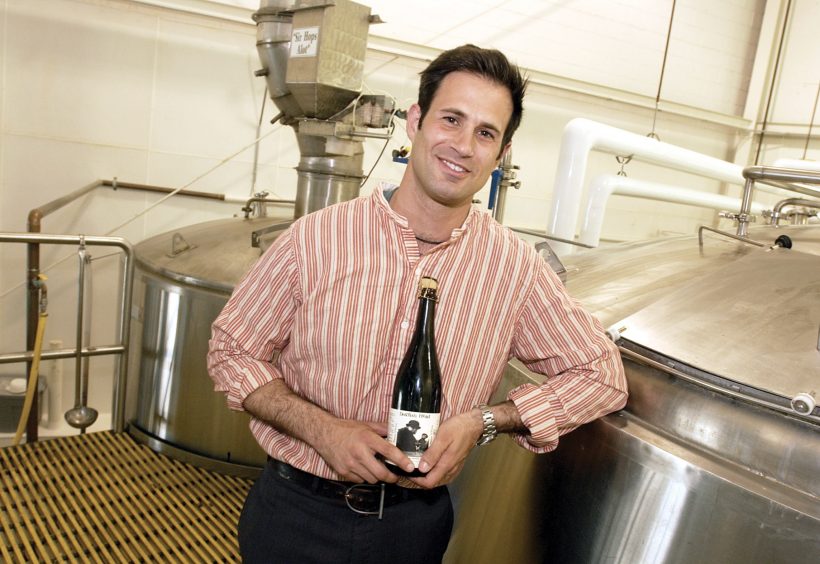
I remember the first time we brewed Immort Ale in 1996. It’s made with maple syrup from my dad’s farm in Western Mass., vanilla beans, peat-smoked barley, juniper berries, is aged on French oak and is 11 percent ABV. The first time we put it on tap at our brewpub, I was sitting at the bar with a snifter of Immort, stoked to review the comments on this new beer. (We used to hand out comment cards whenever we put a new beer on tap to get feedback from our regulars.) The first one I unfolded simply read, “Immort Ale: It tastes like trees, but it got me fucked up.” Not exactly what we were going for.
After reading that and thinking about it a bit, I realized that if we wanted to brew these big, off-centered, unique beers, we would have to work hard at educating people about what makes them so special—about approaching beer appreciation with an eye (and palate) toward prioritizing quality over quantity. Some people were with us from the beginning. Back then, a six-pack of Immort Ale retailed for about $13. Our original distributors thought we were bat-shit crazy for charging that much for an “American” beer, but it was the only way we could afford to continue making it. So my coworkers and I drove all over the Northeast doing beer dinners, festivals, tasting events—working hard to convince the then tiny cadre of hardcore beer-folk that Immort Ale was well worth the premium that we had to charge. We came very close to losing our business. Yet somehow, with the support of the blossoming craft beer community, we made it through. Soon a whole niche within craft brewing—a niche focused on the big and bold—set off on their own evangelical missions to make the world safe for what one big brewery exec called “weird beers.”
Today, the enlightened beer consumer understands that a six-pack of wood-aged beer, with 90 pounds of barley per barrel (as opposed to the roughly 20 pounds per barrel that go into macro light lagers), that’s been aged for two months before bottling can be a great value even at three times the price of the light lager. This transference of knowledge has happened organically, on the street, friend-to-friend—not on the back of a half-billion dollar advertising campaign. That’s why it’s growing and sustainable. It’s real.
Pricing in the high-end wine world is based more on snobbery and scarcity than actual production costs. Pricing on the high-end of the craft beer world is way more subjective. If a beer takes longer to make, has more ingredients, is stronger than average, we as brewers consider these cost factors as we figure out our prices. Dogfish Head makes about the same margin percentage on our stronger beers and our special releases as we do on our more widely available styles. I know that most of my friends who have breweries that produce beers outside the normal price-points take a similar approach. This is why you can go into the finest liquor store in the country with 20 bucks and buy at least one, and in most cases, two six-packs of the world’s finest beer and still get some change back. Try spending that little on the world’s finest wines.
Some costing elements are outside of the brewers’ control, however. We got our asses whupped by escalating ingredient costs this year. Hops are way up. Barley is way up. They paved paradise and put up an ethanol plant. At Dogfish Head our barley prices went up about 60 percent in one year! We raised our prices to our distributors by a dollar a case which translates into a 60 cent per six-pack increase on the shelf-price of our beers. This doesn’t even come close to making up for our shortfall. Big breweries and their affiliates may choose to not raise prices. They can lean on their suppliers for volume discounts and special consideration to weather the storm.
Craft breweries don’t have a choice. We have to raise our prices, or we go out of business. Some brewpubs have already converted to bars because they couldn’t afford or find ingredients. That sucks. So it is up to us, the community of craft beer makers and craft beer drinkers, to acknowledge the facts about the true cost of producing artisan beers in 2008 and continue to support the craft beer renaissance. ■
 Previous: Toronto
 Next: Is Barrel-Aging Trite?