Belgian Dubbel: Love It Two Times
Love it two times
High above the clanking bottling line at the brewery inside the Trappist abbey of Westmalle hangs an array of acoustic panels to deaden the noise. Wouldn’t want to disturb the monks, who spend about seven hours a day praying in church. “Sometimes,” says Marleen Hurdak, a spokeswoman for the brewery, “the monks tell us to just slow down.”
Slow down, contemplate—right. They wouldn’t say that while drinking their own brewery’s most notable variety, Westmalle Dubbel. The malty goodness just begs you to quaff a creamy mouthful. You pause only a moment, letting it percolate through all your senses: hints of fruit and light spice in the nose; a sweet, full body in your mouth; and, of course, that blessed warm buzz of feel-good alcohol all over. And then you jump right back in for another.
Tiny Westmalle is thought to have invented the variety some 80 years ago, and today, it is one of Belgium’s defining styles. When folks say they like Belgian beer, almost certainly what they mean is Dubbel. Corsendonk, Affligem, Maredsous, Grimbergen—some of the most cherished names in Belgian brewing are known primarily for their Dubbels.
Dubbel is the Dutch word for “double,” a name derived from the relative level of the original gravity, or density, of its wort, the traditional standard for measuring (and taxing) European beer. (Contrary to popular belief, it’s not double the strength of a Blonde; nor does it necessarily contain double the malt; nor does it refer to double fermentation.) Typically, brewers use pale Pilsner malt, then add amber and caramel malts for color.
Traditionally, candi sugar is used to fortify its strength without adding more body. It provides a touch of sweetness and, most importantly, is responsible for that gorgeous pillowy head.
Like so many other Belgian ales, hops are not a big deal. Something unassertive—just enough to provide balance and only a hint of spice character, perhaps Styrian Goldings or Saaz. So where does it get that tang? Belgian yeast, naturally—probably two or three different strains, depending on the brewery. Dubbel is fermented at fairly warm temps to produce those fruity (raisin, apricot) esters.
For Gene Muller of Flying Fish Brewing in New Jersey, whose Belgian Abbey Dubbel was one of the earliest American versions of the style, it’s the malt that truly defines the Dubbel. “You drink a Dubbel, and what you want is a nice malt character with a hint of, say, plum or almond,” Muller says. “You don’t want those phenolics that give you banana or clove. It’s much more fruity.”
He adds, “You want subtle flavors, something that you can drink with good food. With a lot of Belgian beers, you get all those extreme tastes. That’s not the case with Dubbel. There’s nothing overwhelming. There’s a lot of things you can read into it, but it never hits you over the head.”
Quiet, full of meaning, pure in spirit, crafted with honest labor—the monks at Westmalle wouldn’t have it any other way.
BELGIAN DUBBEL
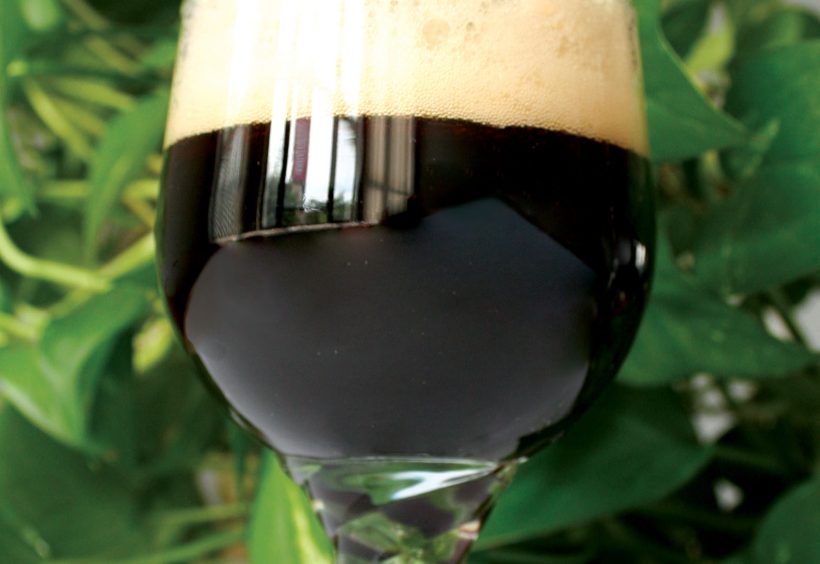
Color: Dark amber, medium to full body with complex malty sweetness.
IBU: 15–25
ABV: 6.0–7.5 percent
Other examples: La Trappe Dubbel, Chimay Premiere (red), Corsendonk Abbey Brown Ale, Grimbergen Double, Affligem Dubbel, Maredsous 8, St. Feuillien Brune, St. Bernardus Prior 8, Val-Dieu Brune, Allagash Dubbel, New Belgium Abbey Belgian Style Ale, Brewer’s Art Resurrection. ■