
Identity Crisis at the GABF
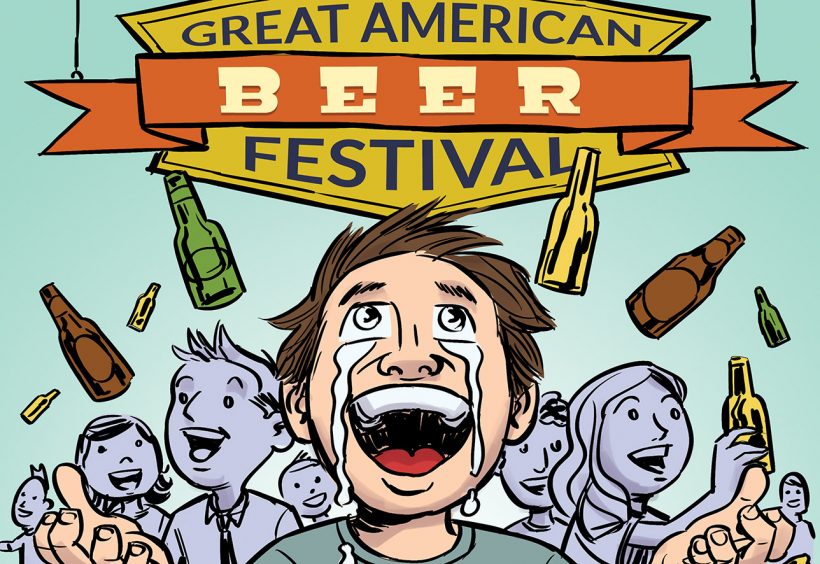 Illustration by Chi-Yun Lau
Walking through the double doors onto the red-carpeted floor of Currigan Hall, surrounded by sunlight flooding in from the plentiful windows, I actually started to tear up a little. A series of circumstances collided to bring me to this place, at this moment in September of 1997. While visiting Denver, Colo., a friend suggested we attend a local beer event, my first. It was the Great American Beer Festival.
Whether it was good fortune, serendipity, destiny or whatever mystical predisposition you want to attach, the GABF was a defining moment in my personal craft beer journey. In the days before websites like BeerAdvocate became omnipresent, the festival opened my eyes to hundreds of craft breweries I had never known existed. I drank Hefeweizens from Texas, Pale Ales from California and Brown Ales from just about everyone. It was a singular experience, and I left amazed that such a diversity of flavorful beer and passionate artisans existed in the country. At the time of this fest, there were perhaps 500 craft brewers in the United States. It was the irrationally exuberant days before the downturn. And it was a party filled with people just happy to be there.
Transition to today: The GABF is hardly recognizable from that 1997 event, let alone from its early days at the Harvest House Hotel in Boulder 15 years earlier. From 22 participating breweries to more than 600 today, the GABF and its sponsor, the Brewers Association, seem to have lost their way. While other long-running festivals, including the Great Taste of the Midwest and the Oregon Brewers Festival, remain true to their roots, the GABF seems unable to decide what it wants to be.
Replacing the pleasant environs of Currigan Hall, the concrete sarcophagus that is Denver’s Colorado Convention Center now houses the festival. An utterly charmless cement rectangle, the convention hall serves the strictly utilitarian function of cramming in as many drinkers and beers as possible. Beyond the uninviting surroundings, complaints about the fest abound. The grumbles started a few years back. In 1997, I walked up and bought tickets the day of the fest. In 2012, the GABF sold out its public session in less than 45 minutes; 49,000 people attended the fest last year.
As the GABF grew more popular, brewers suddenly disappeared from their booths, preferring to either roam the hall, sampling beers and talking to brewer friends, or just leaving the venue entirely for local bars and restaurants. The GABF is no longer an event focused on educating consumers and promoting craft beer culture as much as it is a paid vacation for brewers and a money-printing venture for the Brewers Association. To address this issue, the Association should require at least one brewery rep at each booth for part of each session.
Breweries should also be required to provide informational material or brief training to their volunteer pourers. The amount of bad information about brands being offered to consumers has quickly gone from laughable to unfortunate. With the Fest selling out allotted spots for brewers in less than two hours, the organizers can afford to set some terms for breweries wishing to attend.
In terms of fest sponsorship, the Brewers Association needs a rethink. Despite castigating them in public for not being craft, the Association still accepts substantial sponsorship fees and assistance from large brewers, including Anheuser-Busch InBev and MillerCoors. It’s time for the Association to sever ties with the big guys at the GABF or abandon its increasingly vocal guerrilla war against the big brewers.
In preparing to attend my 17th-consecutive GABF, I remain hopeful that the Brewers Association takes time to build on its solid foundation to make the event serve as a true representation of the best the craft beer industry has to offer. ■
 Previous: Community-Supported Brewing
 Next: Guinness Extra Stout