
Hate the Name, Not the Beer
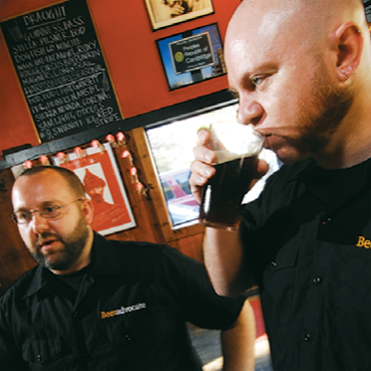
When we hosted our first Extreme Beer Fest in Boston in 2004, we were a bit surprised by how many people in the industry were vehemently opposed to the idea. Some voiced their disapproval (loudly), while others just refused to attend, saying that the term “extreme beer” sounded too much like “extreme sports,” that it was just about high-alcohol beers, or that it was a fad they wanted nothing to do with. And even though the concept of brewing outside the box has always existed, some animosity formed towards brewers like Boston Beer Company, Dogfish Head, Stone Brewing and several others for embracing the term and getting a lot of media attention for it.
But whatever you think of the term, who woulda thunk the Extreme Beer movement would actually be the catalyst for a massive boom in American creative brewing?
Hell, if it wasn’t for Extreme Beer, we’d probably still be drinking a lot of Pale Ales, and brewers would be content to copy the great beer styles of Europe, instead of reinventing and creating their own. In other words, we’d have a lot less to talk about, and the industry wouldn’t be what it is today: kickass!
But thanks to extreme brewers, some media hype and plenty of consumer demand, today we have new beer styles like the Double IPA, Pils, Stout, Wit, and Wheat Wine; beers aged in wooden vessels ranging from bourbon to red wine barrels; beers exposed to wild yeast and bacteria strains; crazy hybrid styles and blends; 50-proof beers; and every exotic ingredient under the sun employed in the brewing of beer. We’re talking cutting-edge brewing techniques that defy tradition.
And if “extreme beer” doesn’t work for you as a handle, what are we going to call it? “creative beer”? Sounds too workshop-y. “Artisanal beer”? Well, isn’t all craft beer artisanal? How about “radical beer”? Nah, way too ’60s.
Now take “extreme beer.” There’s no translation needed—it piques interest, generates excitement, immediately raises the bar, rubs some the wrong way (which is sometimes a good thing), and is about as American a term as it gets. Besides, the name has already stuck, it isn’t going anywhere, and it’s already being used throughout the world by brewers who’ve been inspired by the Extreme Beer movement in the US.
But whatever. The important thing isn’t what it’s called. It’s the awesome impact that extreme brewers, beers, and brewing techniques have had on the beer scene so far. It’s the excitement and mystery of what these innovative brewers will present to us next. It’s about giving drinkers more options, reaching more palates and giving people something to talk about. It’s about the evolution of beer in America. Yes, we now have something that we can finally call our own.
Respect Beer. ■
 Previous: You Want Style? I’ll Give You Style
 Next: Beer News