For many breweries, a regional, cultural identity fosters the brand’s wider appeal. Paradoxically, that popularity might dilute the brand by requiring a large-scale production model that precludes ties to its regional roots—something expanding breweries keep in mind.
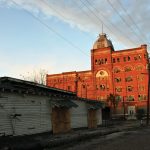
Highland Brewing Co. now encompasses 70,000 square-feet on the eastern edge of Asheville, N.C., quite a step up from the 3,500 square-feet in the downtown basement under Barley’s Pizzeria & Taproom, where the brewery started in 1994.
With dozens of breweries now producing more than 100,000 barrels per year and employing dozens if not hundreds of employees, we’re on the precipice of a new era of competitiveness.
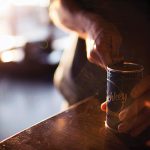
Churchkey Can Company ressurrects the flat-top steel can; interstate brewery expansions loom; study finds two drinks a day could be a life saver; Heineken bans branding of local brews during London 2012 Olympics; and new beer laws passed in Indiana and Georgia.
If 2011 was a year for celebrating a return to local beer, 2012 will be a year when consumers and brewers seek to redefine what local really means. This past year saw dozens of breweries, including many well-known names, retreat to their home markets due to supply issues.
Carl Melissas, brewmaster at Asheville’s Wedge Brewing Company, brews up unpretentious ales and lagers inspired by the classic style benchmarks. It’s a simple-sounding proposition, until you account for the stiff competition all around town. The city knows quality and craftsmanship.
North Carolina is bursting with new breweries and craft beer revolutionaries who have found a safe haven for their creativity amongst the more restrictive Southern states, yet through close attention to detail, Chris Collier has found a way to stand out from the rest.
Asheville’s moniker is “Paris of the South,” but the place feels more like a strangely wonderful convergence of Appalachia and the South, with a bit of Cambridge, Mass., and Boulder, Colo., thrown in for good measure.
A couple decades of explosive expansion have left a tall, gleaming downtown, a few up-and-coming post-industrial warehouse districts, booming suburbs and a cultural infrastructure still growing into all that growth. Hence, most of the excellent local taps you’ll find in town come from out of town. That’s changing.
North Korea airs beer commercial; genetic science and beer bellies; beer tastings to become legal in North Carolina; Flying Fish Exit Series; Hoosiers campaign for freedom of choice.
The Duck-Rabbit Craft Brewery celebrates its fourth birthday this August. That’s four years of plying the Southeast with dark, full-bodied, flavorful beers—and proving the cynics wrong.