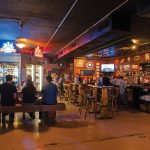
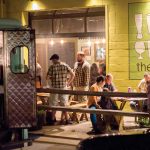
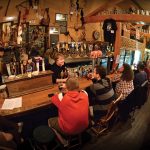
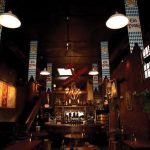
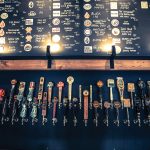
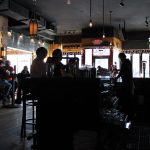
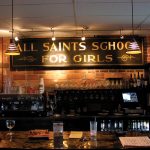
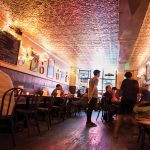
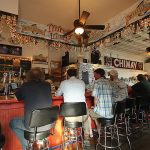
In a dark, “old bar” setting, Papago’s taps include locals like Dragoon’s Infringement Pils, buzzy newbies like Destihl’s Sour Apple Lambic, and classics like Green Flash’s West Coast IPA.
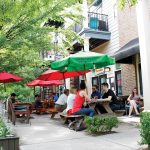
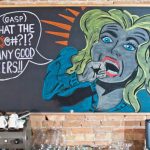
At The Birch, the colorful chalkboard tap list incorporates Virginia breweries like Champion and Smartmouth alongside national mainstays like Allagash and Left Hand while its website advertises a specialization in “craft artisanal European crazy hard to say beer and cheese.”
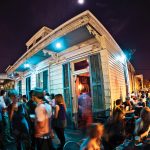
Before Avenue Pub was New Orleans’ beer bar du jour, it was just another neighborhood taproom. Twenty-seven years later, it boasts 42 taps and more than 100 bottles of the best craft beer from all over the country.
Since opening in 2008, Fermentation Lounge, Tallahassee’s go-to beer bar has grown right along with the city’s beer scene. Pull up a fire-engine-red leather bar chair, and start exploring with two taps dedicated to Fermentation Lounge “house biers,” brewed on-site.
At a time when our beer culture is increasingly dominated by consumer proclivities toward promiscuity, the watchword is more. But when the industry chases new beers in the absence of the smart curation, the resulting expansion of bottle and tap selections leads to bloat and a lot of stale beer.
After helping his friend Mike Stiglitz launch a restaurant, Ben Muse and Stiglitz decided they wanted their own business and opened the first Two Stones Pub in Newark, Del., in 2011. Locations have since sprung up in Wilmington, Del., and Kennett Square, Pa.
When The Heorot opened 20 years ago in Muncie, Ind., not a bar in the county even had Guinness on draft. Owner Stan Stephens was sick of campus bars with $5 covers and quarter drafts of domestic lagers.
The Brick Store’s selection has evolved into what it is today: around 30 taps, 300 bottles, a 900-bottle upstairs cellar and thousands more aging in a bank vault beneath the pub. Its 1900s-era building seems like it was always meant to hold the old and authentic.
There are plenty of places to eat along the dirt-path-framed expanse of Austin’s Rainey Street, not to mention the streets just off of it. Tacos, sausages, Indian food, burgers, noodles … the list goes mouthwateringly on. Makes sense, then, that Craft Pride has such a singular focus: Beer.
The Boston area’s first gastropub was born on July 11th, 2002. David Ciccolo was making beer for Tremont Brewing and bartending to help pay the bills. When he realized his bartending “partner in crime,” Ailish Gilligan, shared his interest in opening a spot, they got to work on The Publick House.
We Americans drink far too much stale beer, all the while pretending it’s the best stuff on Earth. Whether it’s from Belgium, Germany, Japan or a few states away, our willingness to spend big bucks to get burned time and again has to be some form of gastronomic psychosis.
Before Jerry Hauck opened Monks House of Ale Repute in 2007, there was not a craft tap in town in Sioux Falls, South Dakota. Since then, at least 10 other local bars have developed extensive craft beer selections.
Khyber Pass has seen many incarnations since it opened in the 1850s. These days, it’s a beer bar serving up New Orleans fare (and cult favorite Benton’s Bacon Grease Popcorn); but just a few years ago, the Khyber was a venerable music venue. That rock & roll attitude is still around today.
Mark Alston, his wife Kileen, and their crew have served up the best brews available in Utah alongside Cajun food since 2002. And while Utah’s craft beer drinkers don’t have it as good as some, things have changed a lot.
Tørst isn’t your average beer bar. Owned by Jeppe Jarnit-Bjergsø, the man behind Danish gypsy brewery Evil Twin, Tørst offers no wine or spirits, and puts a premium on hospitality and glassware.
Aces & Ales is an oasis of sorts for people in the Capital of Second Chances looking to drink something beyond mass-produced macrobrews. And as Las Vegas’ craft scene has grown to four main breweries, Aces & Ales has been there to support them.
Since opening in early 2008, Thirsty Monk has become more than just a world-class Belgian bar, adding a second floor for American craft selections, and a second location in South Asheville with a nanobrewery. They’re also working on expanding their brewery space and adding a third-floor rooftop deck.
The Pony Bar, with spots in Hell’s Kitchen and the Upper East Side, exclusively sells American-made craft beer, at $5 each on draft. But more than just a cozy spot for trying affordable pours of the best that US craft has to offer, Pony Bar is about forging a sense of community.
Many bar owners and managers say the decision whether or not to have a television in their beer-centric business is a highly conscious one. From sports fans who’ve discovered they like craft beer to purists who prefer pixel-free bars, the options are certainly becoming more varied.
In a city that’s standing out from behind the shadow of a certain macrobrewing behemoth, places like Bailey’s Range are introducing locals and tourists alike to all their burgeoning craft-beer scene has to offer.
Opened in 2006 in the Minnesota capital’s Cathedral Hill neighborhood, The Happy Gnome’s drink selection now includes 300 whiskeys and 100 bottled beer selections.
Stepping into Closed for Business, you find yourself transported. The young beer bar and restaurant in Charleston feels more like a renovated rec room than the area’s premiere craft-beer destination.
Aside from the gargantuan outdoors space, which is perfect for Portland’s temperate climate and encourages barflies to bring in their own food, APEX has pinball machines, walls lined with beer labels, and relatively inexpensive, interesting drafts on impeccably clean lines.