The beer consuming public wants us to turn everything into an IPA. I love a good IPA, but we’ve hit a point where if a beer isn’t an IPA, regular folks just don’t buy it.
Grodziskie was a small, sessionable oak-smoked wheat beer produced from the 1300s to the 1990s near the river Oder. Today, it’s surrounded by debate: Was it sour? What sort of yeast did it use? What is the beer supposed to taste like?
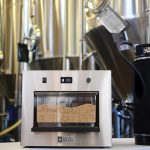
Craft brewing by its very nature is a category disruptor. Just as Kodak didn’t see the digital camera coming, Big Beer overlooked craft brewers. Now a new debate about change has seeped into the homebrewing community: Is technology an acceptable substitute for trial and error?
To divorce recipe amounts from purely physical measures, think of grain as a percentage of the total grain bill. Combined with the target gravity you can use a little math to re-create a recipe that’s theoretically independent of system efficiency and volume.
Mark Schoppe of the Viking-helmed Austin ZEALOTS just grabbed his second Ninkasi Award at this year’s American Homebrewers Association competition. This sour smoked German ale, a Lichtenhainer, was one of them.
In Speed Brewing, author Mary Izett applies her chemistry background and BJCP expertise to designing original recipes that ferment in just days or weeks.
Every homebrewer acts as the hobby’s vanguard. Everyone you serve beer to is a possible convert to the hobby and the larger world of good beer. We’ve all made them, but why don’t we stop serving bad beers?
Devon, Cornwall’s nearest English neighbor, has its legend of White Ale. Was there a similarly exotic indigenous beer style in Cornwall. Naturally, mentions of a mysterious brew known as “swanky” among lists of Cornish recipes online, generated considerable excitement.
In ye olden days, the drying process consistently contaminated yeast with Lactobacillus and Pediococcus. This was considered a very bad thing. With modern processing improvements, it’s not the case anymore, hence the explosion of dried yeast choices.
Cake is a mixture of wheat flour, sugar, flavorings, eggs and butter. The last two ingredients contain copious fats that make it a complicated beer additive. Yet to brew a true chocolate cake beer, one must have chocolate cake.
On one side, Kit Lab works like most online recipe forums. But there’s the added option to have precise ingredient amounts for recipes shipped to your door. And there are plans for both all-grain and extract versions so homebrewers of all levels can participate.
Why aren’t brewers playing with lagers like they do ales? For one thing, lagers are more difficult to homebrew due to the extra refrigeration requirements. Lager yeasts also leave a crisper, more delicate edge that makes it tricky to lay another flavor down without overwhelming the beer.
No beer school program, no matter how rigorous, should be considered complete, in and of itself. One course, certificate or degree does not an expert make. They are but a starting point.
Belgium was wrecked after WWI. It was enough to drive citizens to drink, but in 1919 the Belgian government passed the Vandervelde Act banning the sale of distilled spirits.
This massively honeyed beer was inspired by the intensely spicy flavors of tupelo honey. The idea was to build a big wheat beer that smelled like a clovey Hefeweizen.
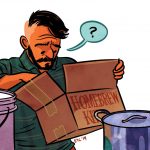
In just a few weeks, a well-meaning loved one is going to hand you homebrewing supplies. No doubt, you’ll have questions. I’m here with answers and “wisdom.”
When statisticians crunch numbers, they traditionally want big piles of data to ensure accuracy. But what if the question is something simple, like: Did this new hop affect people’s perception of my beer? Most breweries can’t whip up thousands of opinions for a single batch of beer.
Brownish ales have a long history, but what we’re talking about is the classic Brown Ale born in Britain and transmogrified here. To me, Brown Ales have roasty, toasty brown bread tones that hang out over a medium malted beer with a restrained caramel sweetness.
When the the Beer Judge Certification Program last updated their style guidelines in 2008, there were 23 beer categories. The newest draft guidelines have 11 more classes for a total of 34!
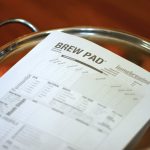
Keeping track of those last-minute homebrew recipe changes can be tricky. Often they are jotted down on a piece of scrap paper, at risk of being forgotten, misplaced or lost.