Austin L. Ray has been published in Rolling Stone, Creative Loafing, The Onion A.V. Club and Oxford American. He loves Twitter (@austinlouisray), IPAs and pit bulls.
And as Georgia’s beer scene continues to expand, The Porter Beer Bar in Atlanta will only become an increasingly important destination. In fact, Orpheus brewmaster Jason Pellett says it was integral to the creation of his brewery.
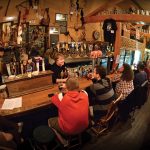
The owners of this sometimes-noisy, always-busy beer bar and restaurant pride themselves on serving great food, but also their community. Expect a draft list that includes locals like Hill Farmstead’s Edward and Lost Nation’s Gose, plus regional standouts like Allagash White and Unibroue Terrible.
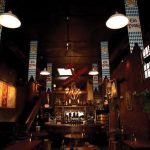
In 2010, Lori Beck and Tyler Trotter transformed a former house of worship into Holy Grale, a bar and restaurant inspired by their trips to Belgium, the Netherlands and Germany. The building’s prior use is still evident in its dark woods, hanging lanterns and arched windows.
In a dark, “old bar” setting, Papago’s taps include locals like Dragoon’s Infringement Pils, buzzy newbies like Destihl’s Sour Apple Lambic, and classics like Green Flash’s West Coast IPA.
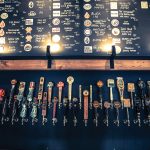
At The Birch, the colorful chalkboard tap list incorporates Virginia breweries like Champion and Smartmouth alongside national mainstays like Allagash and Left Hand while its website advertises a specialization in “craft artisanal European crazy hard to say beer and cheese.”
Since starting in 2012, Scott Hedeen’s passion project—a nanobrewery tucked into a small industrial park in northern Georgia—has been invited to events like Chicago Beer Week and Hunahpu’s Day at Cigar City.
Before Avenue Pub was New Orleans’ beer bar du jour, it was just another neighborhood taproom. Twenty-seven years later, it boasts 42 taps and more than 100 bottles of the best craft beer from all over the country.
Since opening in 2008, Fermentation Lounge, Tallahassee’s go-to beer bar has grown right along with the city’s beer scene. Pull up a fire-engine-red leather bar chair, and start exploring with two taps dedicated to Fermentation Lounge “house biers,” brewed on-site.
After helping his friend Mike Stiglitz launch a restaurant, Ben Muse and Stiglitz decided they wanted their own business and opened the first Two Stones Pub in Newark, Del., in 2011. Locations have since sprung up in Wilmington, Del., and Kennett Square, Pa.
When The Heorot opened 20 years ago in Muncie, Ind., not a bar in the county even had Guinness on draft. Owner Stan Stephens was sick of campus bars with $5 covers and quarter drafts of domestic lagers.
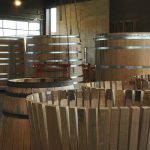
Increasingly, sour beers—and the foeders used to produce them—are becoming a less-surprising feature among American craft breweries. And while larger breweries with connections acquire as they go, the demand for foeders among smaller breweries is only growing.
The Brick Store’s selection has evolved into what it is today: around 30 taps, 300 bottles, a 900-bottle upstairs cellar and thousands more aging in a bank vault beneath the pub. Its 1900s-era building seems like it was always meant to hold the old and authentic.
There are plenty of places to eat along the dirt-path-framed expanse of Austin’s Rainey Street, not to mention the streets just off of it. Tacos, sausages, Indian food, burgers, noodles … the list goes mouthwateringly on. Makes sense, then, that Craft Pride has such a singular focus: Beer.
The Boston area’s first gastropub was born on July 11th, 2002. David Ciccolo was making beer for Tremont Brewing and bartending to help pay the bills. When he realized his bartending “partner in crime,” Ailish Gilligan, shared his interest in opening a spot, they got to work on The Publick House.
In 2012, Troyo Terorotura opened REAL a Gastropub in Honolulu. Included in the establishment’s 24 taps and more than 200 bottles are beers from mainland breweries like Coronado, Ballast Point and Clown Shoes, right beside locals like Kona, Maui Brewing and Big Island.
Before Jerry Hauck opened Monks House of Ale Repute in 2007, there was not a craft tap in town in Sioux Falls, South Dakota. Since then, at least 10 other local bars have developed extensive craft beer selections.
James Westphal’s mini-empire of beer-centric establishments in Kansas City began with the opening of McCoy’s Public House in 1997. He launched the Beer Kitchen in 2001, and then in 2008 opened The Foundry in a connected space next door.
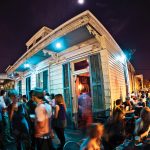
Khyber Pass has seen many incarnations since it opened in the 1850s. These days, it’s a beer bar serving up New Orleans fare (and cult favorite Benton’s Bacon Grease Popcorn); but just a few years ago, the Khyber was a venerable music venue. That rock & roll attitude is still around today.
If you purchase your meat, dairy or produce from a local market, you’re likely familiar with community-supported agriculture. While CSA projects in America’s food culture came about in the 1980s, the craft beer world’s version is only just starting to take shape.
With a knowledgeable staff to guide patrons through the bar’s 48 taps (Michigan oriented, of course), one cask and around 200 bottles, HopCat is also a friendly place for first-timers.
Founded by several former Anheuser-Busch InBev executives, Brew Hub’s plans include opening five facilities throughout the United States, and with more than $100 million of venture capital being poured into the company, many beer advocates are questioning just how craft-oriented Brew Hub will be.
Mark Alston, his wife Kileen, and their crew have served up the best brews available in Utah alongside Cajun food since 2002. And while Utah’s craft beer drinkers don’t have it as good as some, things have changed a lot.