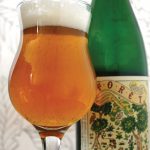
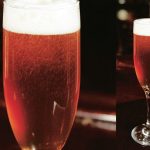
Next to Germany and England, no country has had a bigger impact on the American craft beer scene than Belgium. And now with the emergence of Belgian IPAs, at long last, America is returning the favor.
Munich Helles, at first glance, is almost identical to Pilsner. Clear and blond, they both sparkle with carbonation that rises to a creamy, white collar of foam. On a hot and muggy day, you just want to dive in and soak it up.
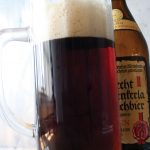
Dark and handsome with a brown collar of foam, this is a deliciously filling beer that seems, well, wholesome. Knock back a couple of them and you can almost feel your cholesterol dropping.
Put a glass of Wheatwine to your nose and you get that familiar malty Barleywine aroma. But hold on. Take a sip and breathe in; you fall into a dizzy swirl of vanilla and apricot and who knows what else.
Witbier goes back 500 years, to a period when beer was made with wheat and typically balanced not by hops but by a blend of herbs and spices known as gruit.
At first glance, it’s hard to tell the difference between the stout and the porter; but collect a few bottles, let them warm to about 50 degrees, and you begin to appreciate the range.
Beer is expropriating one of wine’s most sacred rituals—the high art of methode Champenoise—and coming up with a whole new beer style: Bière de Champagne.
Sourness—or more precisely, tartness—is the defining trait of American Wild Ale. Essentially, it’s beer gone bad, contaminated by the very stray microorganisms that Louis Pasteur discovered were mucking up perfectly good beer 130 years ago.
This insidious practice of cramming a cheap lemon rind atop a luscious, aromatic glass of Hefeweizen—the taproom equivalent of slobbering ketchup all over a perfectly grilled T-bone from Morton’s—has got to stop.