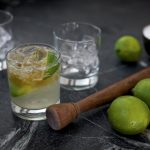
A float of hoppy IPA brings floral and piney flavors along with a bit of Pacific Northwest flair to this riff on a caipirinha, the quintessential Brazilian cocktail.
Over the last two years Rio has witnessed the appearance of more than a dozen craft brewery brands, most of them “gipsy” productions, along with new beer-focused bars.
These South American croquettes differ from those in other countries, as the coating is made with stock leftover from cooking the protein filling that’s incorporated with flour, salt and fat, much like a pâte à choux (a dough used to make sweet cream puffs, éclairs and savory cheesy gougères).
As the South American culinary scene continues to progress at an astounding rate, its craft brewing scene has begun to catch up. It started in countries like Chile and Brazil. Now Peru has joined the fray, too.
For the last five years, in spite of high taxes and long shipping times, American beers have found their way into the hands of curious Brazilian drinkers and motivated Brazilian brewers.
Its location near the equator, the amount of sun, and the length of its seasons make Brazil rich in fruits, vegetables, herbs and spices. Brazilian ingredients are fairly easy to acquire and these dishes pair wonderfully with many types of beer.
The ambition of international collaboration brewing is to bring together brewers—and their different approaches—in an environment where they can share and learn, and build something that is perhaps greater than the sum of its parts.
Revel in a craft beer scene that is by far the most advanced in Latin America. Today, you’ll find Black IPAs, Saisons, Imperial Stouts, and plenty of Brazilian-themed beers like açai Stouts and cassava Pilsners. Until recently though, finding craft beer in São Paulo was like looking for the source of the Amazon.
The story of the world’s first Leafcutter Ant Saison starts in the days leading up to São Paulo, Brazil’s O Mercado, an epic gastronomy fair that brings together more than 20,000 foodies, chefs, restaurateurs and a handful of brewers.
Craft brewers debate proposed tax breaks; arsenic detected in some beers found to be result of filtering process; Brazilian beer-flavored ice cream causes a stir; action sports athletes open Saint Archer Brewery; and Dixie Brewing fighting federal government for its fair share.
The National Brewing Awards are so named because they are awarded without the need to enter any competition, to nations in recognition of what they have done for beer brewing during the year in question. There is no ceremony and no official presentation.