Hidden in Eastern Europe and forgotten for centuries, the fruity, slightly sweet, and full-bodied õlu, or beer, made by the Seto people is reminiscent of British Mild Ale, Kvass, a beverage made from fermented bread, and even root beer.
Scottish and English brewing records from over a century ago reveal a surprising number of low-ABV hoppy beers that look a lot like today’s trendy Session IPAs.
The beer consuming public wants us to turn everything into an IPA. I love a good IPA, but we’ve hit a point where if a beer isn’t an IPA, regular folks just don’t buy it.
Carlsberg’s Carl Jacobsen had clearly been impressed by what he’d seen on his travels and brought back an enthusiasm for British ales. So much enthusiasm that he started brewing ales alongside the lagers you would expect.
I’m sure you’ve all heard of IPA, but what about KK, SS and AK? British brewers once loved to string together beer names from a few letters. But what on earth do they all mean?
Whitbread created one of the most useful documents for anyone interested in the history of British beer: their Gravity Book. In it, they documented thousands of samples of competitors’ beers, from the early 1920s to the late 1960s.
While America’s ales had their roots in Britain, they slowly began to adapt and change in their new home. By the 1890s, there were significant differences in the way British and American ale breweries operated and the equipment they used.
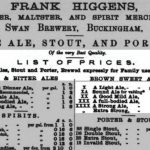
One of the oddities of 20th-century British brewing was that bottled beer was rarely called Mild; it was usually called Brown Ale or something vague, like Family Ale. Or Home Brewed.
What’s slightly surprising to see in old British newspapers is that the strongest Mild is called “Imperial.” Especially as I’ve been calling XXXX Ale “Imperial Mild” for a while now. I thought I was just making it up. Once again, history has proved that there’s almost nothing genuinely new.
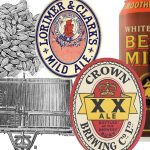
You might be surprised at some of the multitude of forms Mild Ale has taken. Many were about as dissimilar from the modern version as you can imagine. But let’s get one thing straight first: The name Mild has nothing to do with low gravity or low hopping rates.
Mild needs an aggressive public relations campaign, an image consultant, maybe even a personal trainer. Otherwise, one of the world’s most misunderstood beer styles will never shed its reputation for mediocrity.
Each June, in a different city, the folks at the American Homebrewers Association mix up this magical brew to put on the National Homebrewers Conference, the greatest floating homebrew party around.
Smooth, deceptively rich, yet easy to put back in large quantities even in the summer. Mild’s great advantage to those in need is a speedy turnaround from kettle to keg.