In Chinese-style hot pot (similar to Japanese shabu shabu or Mongolian hot pot) piping hot broth in a communal cooking vessel is used to cook vegetables, meats and seafood with the goal of sharing ideas and flavors with friends and family around the table.
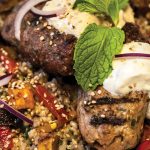
Combine lamb with roasty Stout, cumin, parsley and sumac to create a delicious main course, or substitute Stout for a citrusy IPA in chicken and turkey köfte.
Liver mousse is an easy-to-make, relatively inexpensive appetizer that can feed a crowd. Try one of these recipes for a Dubbel Prune Mousse or Stout Mushroom Mousse.
When statisticians crunch numbers, they traditionally want big piles of data to ensure accuracy. But what if the question is something simple, like: Did this new hop affect people’s perception of my beer? Most breweries can’t whip up thousands of opinions for a single batch of beer.
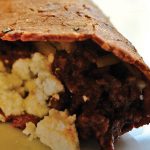
IPA adds a touch of bitterness and accentuates the gyro meat’s herb mix, while a Brown Ale increases the melanoidin malt complexity. A Stout gives the lamb flavor more depth.
According to many beer histories, English Stouts—Milk ones excepted—disappeared in World War I, allowing Guinness to dominate. It’s another example of projecting the present backwards. As usual, the truth is much more complicated.
This dish is so simple—just some sautéed vegetables, a short-grain rice and really good stock. Enhance the umami flavors of a mushroom risotto by adding miso, soy sauce and Stout, or use a Belgian Tripel to add flavors of peppercorn and citrus to a crab risotto.
Before bagels became a breakfast staple across the world, they were a classic snack in Polish cuisine. The versatility of the bagel means it can work as a light meal, the bookends of a hearty sandwich—or, in this case, a beer-infused tribute to complex carbs.
Pale Stout sounds like a contradiction in terms. But if Black India Pale Ale can exist, why not Pale Stout? Going back to the original meaning of Stout, it’s not as daft as it first appears. Stout only acquired its definition as a specific type of dark, hoppy beer in the early 19th century.
Remember the feeling in grade school that you weren’t really allowed to celebrate St. Patrick’s Day if you weren’t Irish? Now that you’ve grown, you can absolutely get down with the true spirit of St. Patrick’s Day, and you don’t even have to wear green. It’s a holiday devoted to drinking, as we all know now.
While the FDA won’t endorse claims that foods contain aphrodisiac properties, many of the ingredients listed in this article produce improved blood flow and are full of energy-producing vitamins and arousing aromas that can reduce stress, and improve stamina and endurance.
The past isn’t a foreign country. It’s a whole foreign continent, where each country is weirder than the last. Recipe formulation is an area where this is particularly true.
Our modern understanding of Stout revolves around blackness, coffee and chocolate. Somewhere along the way, we lost the original meaning: “strong.” Some brewers are reclaiming the term with attempts at White Stout. Cue the exploding brains!
Dumplings can range from simple to complex in flavor, texture and ingredients. Influenced by international cuisines, these versatile pouches come in many shapes and sizes and can be steamed, boiled or fried. Here are a few recipes that use beer.
What’s Scotland’s most distinctive type of beer? Scotch Ale, Scottish Ale or Shilling Ale? Actually, it’s none of those; it’s Scottish Sweet Stout. Stout isn’t most people’s first thought when Scottish beer is mentioned, but there’s a long history of brewing Stout in Caledonia.
Infusing brews with a story and meaning is great fun and adds texture to the homebrewing process, but sometimes, the memoriam hits a little too close to home.
Eschewing the usual three-vessel deal, the BrewBot is a “Brew-In-A-Bag” system that only requires one pot and a big mesh container that holds and strains the grain. Think the world’s largest tea bag.
These three beer-infused sandwich variations include a pair of regional specialties known to hungry travelers as well as a popular (and easy to make) classic.
Bratwurst is a beautiful thing when prepared correctly. It’s the perfect one-handed meal: a good, chewy roll coated with mustard, filled with a meaty yet juicy sausage, and topped with beer-braised sweet onions and peppers.
What if Captain Christopher Jones and his crew had Thanksgiving in Mexico verses Plymouth Rock? What flavors would be expressed and what ingredients would have been used for what is now a traditional American holiday?