From the high-capacity BrewHub to the high-tech experimental Labrewatory, brewery incubators across the country are helping new breweries share best practices and take advantage of communal buying power.
Although fruit styles only make up 1.5 percent of the total sales in the craft IPA category, the number of brands has increased, according to Chicago-based consumer insights company IRI.
A growing number of cocktail-inspired beers from brewers like Brooklyn Brewery, Short’s Brewing, Four Quarters Brewing and Perennial Artisan Ales have the potential to connect cocktail and beer cultures.
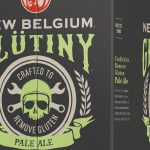
With products like New Belgium Brewing Company’s Glütiny line and Stone Brewing Company’s Stone Delicious IPA, options for gluten-sensitive drinkers are increasing.
As more breweries choose cans, often at minimum quantities, the three can producers—Colorado’s Ball Corp., London’s Rexam and Pennsylvania’s Crown Cork & Seal—are struggling with an influx of new orders.
Baltimore once had a flourishing beer economy thanks in part to an influx of German and Eastern European immigrants. By the end of 1899, it was home to more than 40 breweries. Competition beginning in the 1950s steadily decreased this number until Hugh Sisson opened the state’s first brewpub in 1989.
Buyouts and ownership restructurings in 2014 and 2015 have removed some of the bigger players—and their bigger production numbers—from the “craft market share” calculation publicized by the Brewers Association.
In the past, including any alcohol options was enough to set a fast casual restaurant apart from competitors; now many chains are looking to customize their regional selections by offering local beers.
Beginning with the Boston launch of Drizly in late 2012, more than a dozen beer delivery services have popped up, from hyper-local Brewber, serving just one neighborhood in Baltimore, to those serving a region or cities across the US.
With the opening of Mantra Artisan Ales in Nashville later this year, Maneet Chauhan joins a growing number of well known chefs like Rick Bayless and John Howie who are turning their attention to the brew kettle.
In early 2015, a group of independent retailers formed Keep Colorado Local to prevent grocery chains from changing state law to allow the sale of full-strength beer, wine and liquor in their stores.
First Draft, a 40-tap bar in Denver, opened its doors without a single bartender. Instead, patrons pour their own drinks with iPourIt, a self-service system for serving beer (or any line-dispensed beverage) by the ounce.
Brothers Mike and Ed Marszewski founded Marz in Chicago’s Bridgeport neighborhood with Ed’s brother-in-law in 2013. An intricate web of friends, designers, and brewers connects the rest of the Marz collective.
Black market sales, while rare, are problematic for a variety of reasons. Illegal sales disadvantage some businesses and could put consumers at risk in the case of a recall or other safety issue.
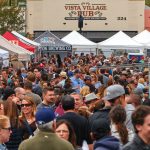
As the popularity of craft breweries spreads, so does their presence at larger, music-focused festivals like Vermont’s Hop Jam, Colorado’s Telluride Blues & Brews, Delaware’s Firefly Music Festival and West Virginia’s All Good Festival.
As craft beer’s influence in convenience and larger chain stores grows, so has the availability of variety packs. In 2014, variety packs were up 21 percent by volume in retail sales.
This spring Craft Brew Alliance (CBA), a publically traded, Portland, Ore.-based beer company announced a series of expansions. The ninth largest US brewery produces four brands: Redhook Brewery, Widmer Brothers Brewing, Kona Brewing and Omission Beer.
On Aril 29, the Massachusetts Alcoholic Beverage Control Commission (ABCC) charged Everett-based distributor Craft Beer Guild LLC with violating two rules preventing unfair practices that limit consumer choices, like offering inducements to favor some beer brands over others.
At least a dozen beer documentaries have premiered around the country since early 2014. For many filmmakers, the decision to turn the lens on brewing comes from personal experiences and observations of beer culture.
Since 2009 Galway Bay has grown from supplying one bar with two beers to supplying nine bars in Galway and Dublin. Much of this success can be traced back to 2012, when the partners hired a 21-year-old biotechnology graduate with no professional brewing experience.
A native Portlander, Christian Ettinger experienced how beer creates community at age 19 when he studied abroad in Cologne, Germany, and got a taste for the city’s hybrid lagers.