Mini-fridge converted to personal “beer cannon”; Sierra Nevada named “Green Business of the Year” by EPA; A-B Inbev and MLB reach agreement; and fire at Abbaye de Notre-Dame de Saint-Rémy.
Just because the American craft beer industry produces a lot of beers in traditional styles doesn’t mean they’re anything near world-class in quality. The only shame in brewing traditional beers is doing them poorly or without care or thought.
The point of the craft beer revolution was to reestablish the reputation of beer as a quality drink, not to show how clever we can all be. The beers that will achieve that aim will be achieved by beers that are well made, not simply different.
Shaun Hill runs his brewery with a profound sense of purpose. He brews his beers with well water from the farm that’s been in his family for generations.
CDA must be something more than a simple IPA that happens to be black, and must be brewed with the Northwest’s distinctively aromatic hops, including Amarillo, Centennial, Chinook and, yes, Cascade.
The recipes that follow use the braising technique while showcasing global cuisines with different proteins. The chosen beers enhance the dish by bringing their own flavor profiles to the recipe, creating a wonderful sauce to be served over the final plate.
The owner of Portneuf Valley Brewing—a distributing brewpub based in Pocatello, Idaho—has long hair, but it hangs off her ponytail, not her chin. Although she is in rare company as a female brewer, that isn’t what sets her apart from the peers in her area.
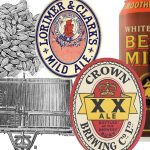
You might be surprised at some of the multitude of forms Mild Ale has taken. Many were about as dissimilar from the modern version as you can imagine. But let’s get one thing straight first: The name Mild has nothing to do with low gravity or low hopping rates.
The teeming Metroplex area runs from Dallas to Fort Worth, a decent-sized city in its own right that’s since been pulled into Dallas’ orbit. There’s a lot to take in, so it’s best to take it a step at a time, a bar at a time.