Instead of embracing the beauty of public and outdoor drinking, Americans have largely relegated alcohol consumption to bars, implicitly marking them as dark dens of adult iniquity. Fortunately, small breweries are pushing for change.
Just as the quintessential English pub experience began to feel threatened by corporate monopolies, a new model arrived to shake up the neighborhood watering hole.
Although globalization eases many of international travel’s challenges, it could threaten the brewing cultures and traditions that we seek to experience.
In a round-up of beer news, Belgian beer is recognized as cultural heritage; White Labs Asheville begins production, New Holland brews lager with heirloom barley; and 2016 is a record year for US hop growers.
Andrew and Lindsay Nations moved back to their hometown of Shreveport, La., to create and foster a beer culture in the state’s northwest corner, which is closer to Dallas, Texas, than New Orleans.
The snobs out there can make beer seem unapproachable for “noobs.” This book is author Patrick Dawson’s answer to the upturned noses among us; a dry, unapologetic survey of the craft beer lifestyle.
If you drink a beer, and your friends aren’t instantly notified about it, did it really happen? How is technology changing the beer drinking experience for so many enthusiasts, and why are they frantically sharing their experiences anyway?
Of Newark-upon-Trent’s 35 pubs, only four served cask. All owned by Nottingham brewer Home Ales. Modern geeks wouldn’t have loved them. But they had a few things drinkers loved. They were cheap. And their cask beers were always in good condition.
While trepidation for the undermining of long treasured beer heritages remains understandable, in countries with little in the way of a native or historic beer culture, the change of pace and perspective brought by an interest in American-style craft brewing is a welcome breath of fresh air.
At least a dozen beer documentaries have premiered around the country since early 2014. For many filmmakers, the decision to turn the lens on brewing comes from personal experiences and observations of beer culture.
It’s Friday night. You order a beer at a bar, use an app to tick it on your list, snap a pic, broadcast it on social media, and then refresh to see how many people liked it. What happened to just ordering a beer and enjoying it with the people around you?
In 2007, when BeerAdvocate became the country’s first monthly beer magazine, the combined output of 1,406 craft breweries represented less than four percent of the total market in the US.
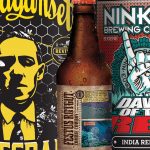
Beers like Lovecraft Honey Ale, Dawn of the Red and Festus Rotgut exemplify a recent trend among breweries: using branding to reach fans of pop culture subgroups.
The ease of attaining and enjoying many of the world’s greatest beers today stands in stark contrast to a time when beer lovers had to travel far and wide to get a sip of a long-coveted beer.
Meredith Heil, who’s 27 and lives in Brooklyn, is calling for the craft beer industry to reevaluate its attitude toward women and members of the LGBTQ community.
Some say imitation is the sincerest form of flattery, but sometimes it’s just lazy and a complete ripoff of another’s work. It’s time for all of us to raise the bar.
With style lines blurred and Old World notions increasingly irrelevant, it appears the new era of craft beer will be defined by drinking whatever the consumer pleases at any given moment. And this is all positive in the sense that it means craft brewers and their advocates have won the larger battle.
In the narrative, Jenny Shank, a self-reported non-beer geek, gives craft brewers a gentle (and hilarious) ribbing … so we decided to ask her what was up with that.
Try broadcasting what you’re drinking and see what happens. Depending on the beer in hand, cries of “Why?!” and other forms of pointless bashing will no doubt ensue from misled beer snobs who believe their palates are better than yours.
Debates over the seriousness of beer or how seriously to take it have long existed. Craft brewers have fought for decades to achieve a level of respect from consumers, the media and the public at large. The march toward respect for beer remains an ongoing process.