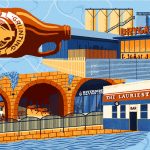
Glasgow is currently coming into its own, with a growing reputation as one of the friendliest cities in Great Britain—as well as one of the most entertaining places to drink and eat.
Scottish and English brewing records from over a century ago reveal a surprising number of low-ABV hoppy beers that look a lot like today’s trendy Session IPAs.
Belgium was wrecked after WWI. It was enough to drive citizens to drink, but in 1919 the Belgian government passed the Vandervelde Act banning the sale of distilled spirits.
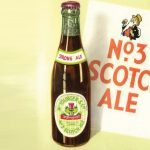
Like all beers that have been brewed for a long period, No. 3 has undergone many changes. No. 3 is also a beer that’s refused to die, no matter what history has thrown at it. If you’re ever in Scotland, you should give it a try.
Scottish Shilling Ales are beers designated by that peculiar Scottish system of naming based on price rather than type. But what is the history of these beers, and how do they fit into the constellation of British styles?
More celebrities collaborating with craft brewers; Coors causes controversy at Puerto Rican celebration; malfunctioning beer fridge responsible for Australian cellular network blackout; TTB opens door for beer, wine, spirits to add nutrition labels; and BrewDogs set to air Scottish founders’ hijinx on US TV this fall.
In the 18th century, there were three tax classes in England (in descending order of strength): Strong, Table and Small. The definition of these classes was very simple, as it was based on the wholesale price.
Auburn University to offer a major in brewing science; Budweiser responds to suit alleging Bud “watered down” brews; Philadelphia sues Yuengling for $6.6 million in back taxes; a brewery expansion roundup; and Scottish brewery chastised by anti-alcohol groups over “breakfast beer.”
What’s Scotland’s most distinctive type of beer? Scotch Ale, Scottish Ale or Shilling Ale? Actually, it’s none of those; it’s Scottish Sweet Stout. Stout isn’t most people’s first thought when Scottish beer is mentioned, but there’s a long history of brewing Stout in Caledonia.
London, Burton, Edinburgh: Britain’s key brewing towns. But one name is missing. The forgotten great of British beer: Alloa, renowned for its ales and Pale Ales.
The UK-based organization CAMRA champions the sale of cask-conditioned “real ale.” And every year, Edinburgh-native and CAMRA chairman Colin Valentine crosses the pond to attend the New England Real Ale Exhibition.
BrewDog Brewery commands a global audience from a tiny outpost on Scotland’s northeast coast. Its beers have inflamed critics and ignited a debate about what beer in the UK can and should be.