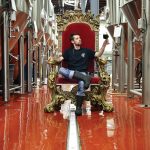
In 2011 there was just one craft brewery in Mississippi. Today, the state ranks 51st in breweries per capita. We set out on a four-day road trip to learn more about the young beer scene.
TTB eases tax regulations on brewers; Tennessee raises ABV limit to 10.1 percent; Craft Brew Alliance buys stake in Miami’s Wynwood Brewing; and monastic brewing returns to France.
Restaurateur plans to open Rwanda’s first local brewery; first US brewery medals in German-style Pilsner at European awards; changes in Oklahoma and Pennsylvania benefit beer drinkers; and Night Shift Brewery launches own wholesaler.
At Southern Prohibition in Hattiesburg, Miss., brewmaster Ben Green is helping to build a new beer culture, oriented around bold flavors in everything from hoppy ales to barrel-aged sours.
Ancient brewing equipment found in China; 14 breweries leave Colorado Brewers Guild; Walmart launches beer brand; and a roundup of legislation passed in Alabama, Idaho, and Ohio.
Despite Iceland’s late entrance to the global brewing revolution, the country has hastily made up for lost time, and Reykjavík is the center of the action.
Mark and Leslie Henderson founded Lazy Magnolia to bring better beer to their home state. Although Mississippi now has 10 breweries statewide, theirs was the first packaging brewery to carry the torch for craft brewing, and did so for seven years under previously restrictive state regulations.
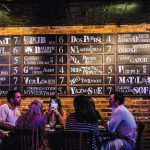
The Mahogany Bar’s lineup of 42 taps includes a wide mix of styles with more than 15 local beers like Crooked Letter Mystery Romp mocha Porter and Southern Prohibition Crowd Control, alongside plenty of bigger regional, national and international brands.
In 2005, when John Neal opened the Keg and Barrel bar in Hattiesburg, Miss., restrictive laws forbade homebrewing and capped the ABV of every beer brewed and sold in the state at 6.25 percent.
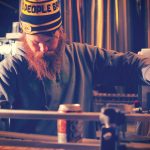
When Good People first launched in Birmingham, Ala., in 2008, the brewery was somewhat constrained—by Alabama’s legal restrictions on brewing, and by what they thought the market could handle. But things are changing.
In Ohio, the outlook is favorable for a proposed bill that would lift the state’s current alcohol-by-volume cap from 12 percent to 21 percent. A similar bill failed in 2011, but this version has bipartisan support from 21 legislators.
Beyond alcohol limits, many Southern states struggle with taxes, breweries operating off-site brewpubs, various antiquated distribution woes, prohibitive homebrewing regulations and much more. But thanks to the region’s proactive beer makers and consumers, many of those laws are beginning to change.
In the small village of Amana, Iowa, tucked among historical sites and artisans’ shops, Millstream Brewing Company is quietly churning out some of the finest beer in the region. Millstream’s portfolio is heavy on the German beers, like the seasonal German Pilsner and widely popular Oktoberfest, but also drifts into the realm of experimental brewing.
It is illegal in Massachusetts to bring a beer to a patient in a hospital. In Texas, drinking more than three sips of beer at a time while standing is against the law. There are scores of pointless, strange edicts on the books, but the good people of Mississippi aren’t laughing about a particular law regulating
AB-InBev and MillerCoors want a piece of the apple cider pie; CAMRA Vancouver FUSS-ing over standardized pours; Belgium celebrates Trappist breweries; Oglala Sioux tribe suing brewers, wholesalers, retailers; and Virginia, Mississippi attempting to pass brew-friendly laws.
In Springdale, Utah, at the entrance of the glorious Zion Canyon National Park, lies a small brewery that works with an eye toward connecting man and nature through beer.
Will Hamill has one foot in each faction of the craft brewing community. He built Uinta Brewing Company on the strength of solid, approachable session beers, and he’s also cranking out giant specialty recipes.
Philadelphia brewpubs raided by police; Moosehead, Boston Beer Company ink distribution deal; A-B InBev bid for distributor blocked by Illinois; and Iowa, Oklahoma become friendlier to craft brewing.
Sierra Nevada helps create fuel from yeast; Bill Brand passes away; BEER act arrives; Molson creates mega mural for Olympic Games; Oregon tax law; Debate still brewing over Alabama’s beer laws.
Looking back, we survey a country where beer was once the agitator of rebellion and omnipresent companion to social discourse. Behind us is the mass industrialization of beer, but also the craft explosion; ahead of us—possibilities.
Recently, brewers in Vermont are making what’s hopefully a final push to raise the bar for better beer options and sales in their state, and many feel that it’s about damn time.