Every season, we see fall beers on the shelves in June and winter ales in September. It sounds ridiculous, and kind of is, but there’s reason behind the madness.
Oregon State University receives $1.2 million to expand Fermentation Sciences program; Australian researchers test a “hydrating” beer; “stoop drinking” in NYC mayoral debates; and tragic accident takes life of Stone brewer.
This film takes the viewer into the cold storage and barrel rooms of a slew of breweries, large and small, across the country, from financial struggles at Denver’s Black Shirt Brewing to the overnight success of Indeed Brewing in Minneapolis.
The Beerouette is a self-contained device that connects to a beer (or soda) can and spins it in an icy bath. The Chill Bit attaches to a bottle or can and uses the power of a drill to do the spinning.
Church of The Atom is a nanobrewery in Sweden’s beer hub of Gothenburg that derives its name from a post-apocalyptic video game that co-founders Kristian Hallberg and Marcus Ekdahl were both into when they decided to launch CoTA.
In 2010, an Italian law reclassified beer as an agricultural product. Now, any brewery that makes its beer using 51 percent of brewery-grown raw materials can be classified as an agricultural brewery.
When Surly Brewing Co. of Minnesota released renderings of the new, $20 million brewery it plans to build in an industrial area of Minneapolis, criticism of its “Brutalist” design aesthetic began pouring in.
With little brand loyalty among craft beer consumers, knowing the brewer’s name or even the style seems less important than being drawn in by the creativity of an engaging brand name or story.
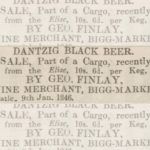
Who thought spontaneous fermentation was unique to Belgium? It wasn’t, and lasted well into the 19th century in other parts of Europe. I’m not talking about Gose or another sour wheat style, but about one of the strangest beers brewed in recent times: Danziger Joppenbier.
This recipe is all about the PB&J sandwich. It’s based around a Brown Ale, with rye and aromatic malt for toasty bread, and yeast that gives us an English “fruity jam.” Then after fermentation, a helping of powdered peanut butter.
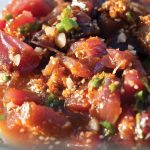
Poke is a local Hawaiian dish; the word means “to slice or cut into cubes.” Think sashimi-quality raw tuna made into a fresh salad. The addition of Kona Brewing’s Big Swell IPA or Lemongrass Saison to the marinade adds a citrusy brightness to the fish.
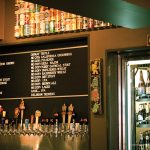
James Westphal’s mini-empire of beer-centric establishments in Kansas City began with the opening of McCoy’s Public House in 1997. He launched the Beer Kitchen in 2001, and then in 2008 opened The Foundry in a connected space next door.
Ben Howe opened Enlightenment Ales in Lowell, Mass., in October 2011 with the idea of brewing not an Export Stout, but rather one very special beer style: Bière de Champagne.
Although there were a small handful of microbreweries, like the Oaken Barrel, during Indianapolis’ darker days, it wasn’t until Sun King tapped its first kegs in 2009 that craft beer exploded in the city.
Around the country, brewers are collaborating—not just with other brewers, but with artists of all mediums. Together, they are creating beers that aim to go beyond the five senses to convey emotions and feelings. Delving into music, television and theater, brewers are combining the craft of brewing with the performing arts.
Even with talented brewers like Funky Buddha and J. Wakefield cranking out creative, quality beers, it takes passionate consumers to make an area’s beer scene sing. And South Floridians are fully embracing the craft beer movement.
Meredith Heil, who’s 27 and lives in Brooklyn, is calling for the craft beer industry to reevaluate its attitude toward women and members of the LGBTQ community.