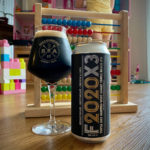
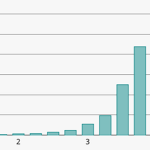
Limited, higher alcohol, American-style IPAs, Stouts, and Sours from a select group of American brewers apparently dominated palates and discussions on BeerAdvocate in 2019.
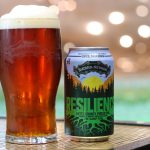
Sierra Nevada’s Ken Grossman talks about the potential reach of the Camp Fire Relief Fund, the logistics of coordinating such a large initiative, and his company’s dedication to helping its community rebuild.
Forced to chart a new course amid the industry’s double-digit growth, “big craft” breweries have resorted to fleeting trends and gimmicks to stay afloat.
As many of the largest craft breweries open additional locations in new markets, they’re up against a difficult task: making sure their famed flagships taste the same everywhere.
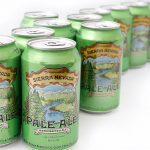
Once an industry staple, Pale Ale has ceded shelf space to the popular IPA and its Imperial and Session cousins. Has the former flagship style seen its last days, or can it be reborn with a renewed emphasis on hop and malt varieties?
Although bursting with a sour punch and finishing with a pinch of salinity, the once arcane Gose is not a margarita in beer form. Today, some iterations boldly bring it into the 21st century.
Hair of the Dog Brewing Company founder Alan Sprints reveals the sources of inspiration for Adam, an Old Ale brewed with Pacific Northwest hops and black, crystal, chocolate, peated, and organic Pilsner malts.
While green lawns go brown, farms go fallow, and everyone is asked to cut their water usage at every turn, beer drinkers are forced to consider whether their favorite drink is worth such a reservoir-sucking impact.
As craft beer’s influence in convenience and larger chain stores grows, so has the availability of variety packs. In 2014, variety packs were up 21 percent by volume in retail sales.
This fried cauliflower dish pops with the lemon, garlic and cumin in chermoula, a marinade found in Moroccan and Tunisian cooking. It’s balanced by the sweetness of golden raisins and pistachios, making it a complex dish with acidity and a little heat.
Don’t let the names confuse you. Aroma compounds are being engineered into your beers, so think about them the next time you smell a hop bomb. Does your nose detect anything besides that hop character?
Drying hops is like curing a fine cut of meat. The softer you kiln, at lower temperatures for longer times, the more flavorful and aromatic the final batch will be.
Once seen as the ultimate expression of beer geekery, India Pale Ales have been at the vanguard of a communal palate shift, resulting in the wholesale embrace of all things hop.
Craft breweries of all sizes are shipping their beer to far-flung accounts. So how do they maintain the condition of their beer, please fickle customers, and simultaneously grow their brands? The answer is cold storage.
True brand loyalty implies an attachment to the brand itself and what it represents. Like Harley-Davidson riders who equate the brand with outlaws and the open road, and Apple owners fanatically devoted to design.
Supplanted by seasonal brands, endangered by the race for the holy one-off grail, and lost in the hunt for more hops, these respected and balanced brands look increasingly out of place in the wider world of craft beer.
For many breweries, a regional, cultural identity fosters the brand’s wider appeal. Paradoxically, that popularity might dilute the brand by requiring a large-scale production model that precludes ties to its regional roots—something expanding breweries keep in mind.
Churchkey Can Company ressurrects the flat-top steel can; interstate brewery expansions loom; study finds two drinks a day could be a life saver; Heineken bans branding of local brews during London 2012 Olympics; and new beer laws passed in Indiana and Georgia.
If 2011 was a year for celebrating a return to local beer, 2012 will be a year when consumers and brewers seek to redefine what local really means. This past year saw dozens of breweries, including many well-known names, retreat to their home markets due to supply issues.
In addition to their bittering, flavor, and aroma properties, hops help stabilize beer foam, kill unwanted bacteria, and, according to some studies, impart body-boosting antioxidants. Future breeds might bring an entire revolution to the brewing industry.
Mini-fridge converted to personal “beer cannon”; Sierra Nevada named “Green Business of the Year” by EPA; A-B Inbev and MLB reach agreement; and fire at Abbaye de Notre-Dame de Saint-Rémy.