While Shandies and Radlers have been brewed stateside for several years, the style has proliferated in the US, with several new summer seasonals featuring radler-inspired brands.
Like it or not, the New England India Pale Ale is a style, and one that you’re going to see much more of as brewers continue to jump on the hazy hype train.
Since The Veil’s “zero IBU” IPA first appeared in April 2016, several breweries have released their own takes on the sub-style, including Other Half in New York, Twin Sails in Vancouver, BC, and a collaboration between Cerebral Brewing in Denver and Chicago’s Mikerphone Brewing.
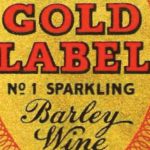
Last year Whitbread Pale Ale was relaunched in the UK, brewed by the highly regarded Windsor & Eton. Let’s not worry too much about whether it’s an IPA, Pale Ale, or Light Ale. Just rejoice at the return of Whitbread’s iconic hind logo.
Session beers aren’t limited to British styles—Grisette, the lesser-brewed cousin of Belgian Saison, is a refreshing thirst quencher at just 4 percent ABV.
Known as “the Dog” in its home of England, Newcastle’s ubiquitous Brown Ale was atypical in its strength and production methods when it debuted in 1927.
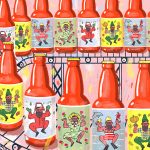
Inspired by the traditional south central Mexican sauce, which can contain up to 20 different ingredients, brewers across the country are putting their own unique spins on mole-inspired beers—and the public can’t get enough.
Jeff Griffith, head brewer at Fate Brewing Company in Boulder, Colo., cranks out everything from classic Belgian and German styles to experimental IPAs, tequila barrel-aged sours, and coffee-infused hop bombs.
A trip to Fargo, N.D., rekindles a love for malt-forward beers and inspires Wood Chipper Irish Red Ale, with an addition of roasted barley for a subtle color boost.
While anachronistic, the coolship is now used by more than two dozen breweries across the US to create spontaneously fermented ales in the Lambic tradition.
The history of the Great American Beer Festival is the history of craft brewing magnified. It started in 1982 as a one-night event, held during the fourth annual National Homebrew and Microbrewery Conference.
Beyond the classic English and American styles, author Joshua M. Bernstein indexes standout IPAs by grain, color, and strength. Fringe categories like “yeast-driven” and wood-aged get a nod, too.
The remote Estonian islands, an hours-long journey from the capital of Tallinn, have preserved many of the country’s cultural traditions, including brewing the rustic farmhouse ale Koduõlu.